Last updated: February 2026
PTFE-coated fiberglass materials are used throughout commercial bakeries as non-stick liners, conveyor belts, and equipment surfaces that withstand continuous temperatures up to 260°C. They eliminate the need for paper liners, oils, and flour dusting while meeting FDA 21 CFR 177.1550 food contact requirements. GORTEF supplies PTFE coated glass fabric tapes and heavy-duty belting fabrics used in bakeries across Australia and New Zealand.
From tunnel oven conveyor belts to reusable tray liners and dough sheeter surfaces, PTFE materials reduce cleaning time, extend equipment life, and deliver consistent product release across every baking cycle.
Tell us the equipment and dimensions and we will quote the right material.
Where Is PTFE Used in Commercial Bakeries?
PTFE-coated fiberglass appears in almost every stage of a commercial baking line. The material’s combination of non-stick release, heat resistance, and food safety compliance makes it the standard surface treatment for equipment that contacts dough, batter, or baked goods at elevated temperatures.
Tunnel Ovens & Conveyor Ovens
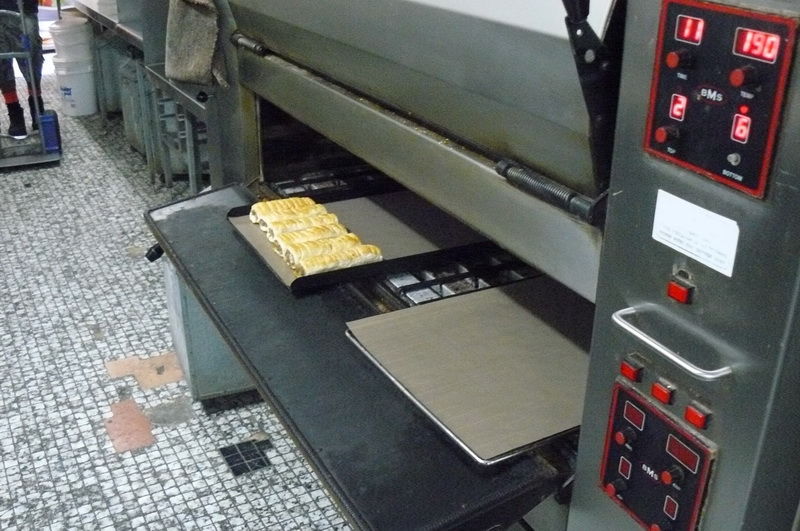
PTFE-coated fiberglass conveyor belts carry bread, pastries, biscuits, pizza bases, and other products through tunnel ovens operating at 180–260°C. The PTFE surface prevents baked goods from sticking to the belt, eliminating the need for oil sprays or flour dusting inside the oven. Belts are typically made from open-mesh or solid-weave PTFE glass fabric and are joined with bullnose or overlap joins for continuous operation.
Dough Sheeters & Pastry Laminators
Dough sheeters use PTFE-coated surfaces on work tables, conveyor sections, and roller guards to prevent sticky laminated doughs (croissant, puff pastry, Danish) from tearing or adhering during sheeting. PTFE surfaces eliminate the need for excessive flour dusting, which alters the recipe and creates mess, and ensure even thickness across the sheet.
Reusable Tray Liners & Baking Sheets
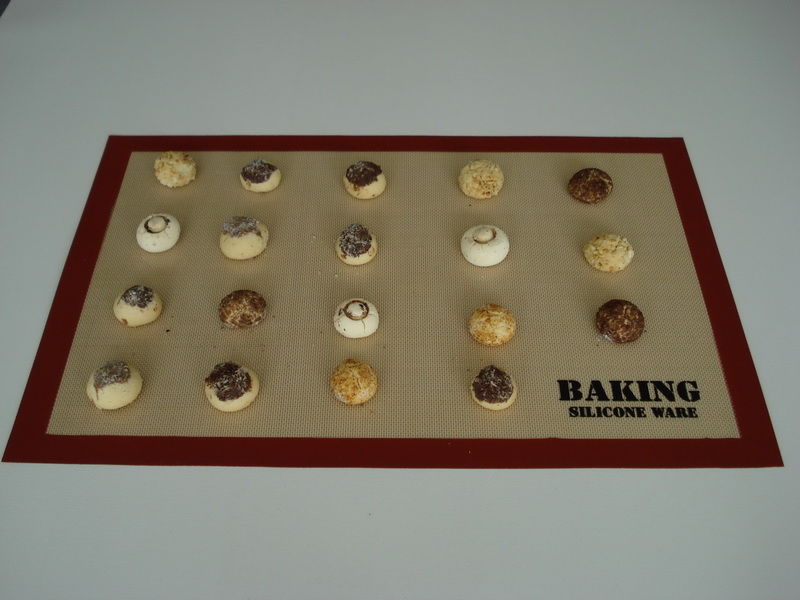
PTFE-coated fiberglass baking sheets replace single-use parchment paper and silicone-coated paper. A single PTFE liner can be reused hundreds of times across bread, pastries, meringues, biscuits, and confectionery. They withstand oven temperatures up to 260°C, transfer no flavour between bakes, and clean with warm soapy water.
Bread Slicers
PTFE coatings on reciprocating and band slicer blades minimise crumb buildup, reduce friction through the loaf, and extend blade life. Coated blades produce cleaner cuts with less tearing, particularly on soft breads, sourdough, and enriched doughs. Clean blades after each shift with a soft brush to maintain coating performance.
Confectionery & Depositor Equipment
Depositors and confectionery moulding equipment use PTFE-coated hoppers, nozzles, and depositor plates to prevent batter, caramel, and chocolate from sticking. PTFE release sheets line cooling conveyors for toffee, nougat, and moulded chocolate, allowing clean product separation without oils or release agents.
Heat Sealing & Packaging Lines
Bakery packaging lines use PTFE adhesive tape on heat sealing bars and jaws to prevent plastic film from sticking during bag sealing, tray sealing, and flow wrapping of baked goods. See our packaging industry guide for detailed machine information.
What Temperatures Does Bakery Equipment Reach?
PTFE-coated fiberglass operates continuously up to 260°C with peak tolerance to 300°C. This covers virtually all commercial baking processes except wood-fired pizza ovens, which can exceed 400°C.
| Baking Process | Typical Temperature | PTFE Safe? |
|---|---|---|
| Biscuits & cookies | 160–190°C | ✓ Yes |
| Cakes & sponges | 170–200°C | ✓ Yes |
| Pastry & puff pastry | 200–230°C | ✓ Yes |
| Bread & rolls | 220–250°C | ✓ Yes |
| Pizza (deck oven) | 232–260°C | ✓ Yes (at limit) |
| Pizza (wood-fired) | 400–480°C | ✗ Exceeds limit |
How Does PTFE Compare to Other Non-Stick Solutions?
| Feature | PTFE Sheet | Silicone Mat | Parchment Paper | Oil / Flour |
|---|---|---|---|---|
| Max temperature | 260°C | 230°C | ~220°C | N/A |
| Reuses | 100–1,000+ | 1,000+ | 1 (disposable) | N/A |
| Ongoing cost | Very low | Low | High (ongoing) | Moderate |
| Waste generated | Minimal | Minimal | High | None |
| Flavour transfer | None | None | None | Yes |
| Allergen risk | None | None | None | Flour allergens |
| Thickness / flexibility | Very thin | Thick, rigid | Thin | N/A |
Is PTFE Food Safe for Bakery Use?
PTFE is recognised as safe for food contact by major regulatory bodies worldwide. It is non-toxic, odourless, tasteless, and chemically inert, it does not react with food, oils, or cleaning agents under normal baking conditions.
- FDA 21 CFR 177.1550: approves perfluorocarbon resins (including PTFE) for food contact applications. Total extractables must not exceed 3.1 mg/dm² under specified test conditions.
- EU Regulation 1935/2004: framework regulation requiring that food contact materials do not transfer constituents to food in quantities that endanger human health.
- Australian FSANZ: while Australia does not have a PTFE-specific standard, materials meeting FDA and EU requirements are accepted under FSANZ guidelines and AS 2070-1999 for plastic materials in food contact.
PTFE-coated fiberglass is used in food processing worldwide and is suitable for HACCP-compliant bakery environments. It will not leach chemicals into food at temperatures within its rated operating range of -73°C to +260°C.
How Long Do Bakery PTFE Products Last?
Service life depends on the product type, operating temperature, cleaning methods, and usage intensity. Avoid abrasive cleaners and sharp utensils, which damage the PTFE coating and shorten lifespan.
| Product | Typical Lifespan | Replace When… |
|---|---|---|
| Reusable tray liners | 100–1,000+ uses | Products start sticking, visible tears or worn coating |
| Conveyor belts (tunnel oven) | 6–24 months | Edge fraying, belt tracking issues, coating loss |
| Heat sealing tape (packaging) | 1–6 months | Discolouration, film sticking, edge lifting |
| Bread slicer blade coating | Varies by cut volume | Crumb buildup increases, cuts become ragged |
Cleaning tip: Wash PTFE liners and belts with warm soapy water and a soft cloth. Do not use steel wool, scouring pads, or alkaline oven cleaners, as these will abrade the PTFE coating and reduce non-stick performance. For stubborn residue, soak in warm water before wiping.
GORTEF Non-Stick Baking Mats
Our non-stick mats feature a PTFE coating on one side and a silicone coating on the other. The PTFE coating provides a smooth non-stick surface for baked goods, while the silicone backing grips the tray to prevent the mat from sliding during pastry rolling, marzipan work, and other preparation tasks. Temperature resistant up to 230°C: go straight from preparation to oven.
Frequently Asked Questions
Yes. PTFE is FDA-approved for food contact under 21 CFR 177.1550 and meets EU Regulation 1935/2004. It is non-toxic, odourless, and chemically inert at temperatures within its rated range of -73°C to +260°C. PTFE-coated fiberglass baking sheets and conveyor belts are used in food-grade bakeries worldwide.
A quality PTFE-coated fiberglass liner can last 100 to over 1,000 uses depending on care. Replace when products start sticking, or when you see visible tears, worn patches, or coating loss. Avoid abrasive cleaning, which is the most common cause of premature wear.
No. Wood-fired pizza ovens reach 400–480°C, well above PTFE’s continuous operating limit of 260°C. PTFE is suitable for deck ovens and conveyor pizza ovens that operate at or below 260°C.
PTFE-coated fiberglass sheets are thinner, handle higher temperatures (260°C vs 230°C for silicone), and provide better heat transfer due to their thin profile. Silicone mats are thicker and more rigid. Both are reusable and food-safe. PTFE is preferred for commercial production lines where temperature headroom and thin profile matter.
Australia does not have a PTFE-specific food contact standard. However, FSANZ and AS 2070-1999 accept materials meeting FDA 21 CFR 177.1550 and EU 1935/2004 as compliant for food contact. GORTEF’s PTFE products meet these international standards.
You May Also Be Interested In
- Continuous Cooking & Contact Grilling: PTFE solutions for food processing equipment
- Packaging Industry: PTFE tapes for heat sealing bakery packaging lines
- Heat Sealing Belts: Endless PTFE belts for food industry conveyors
- Heavy Duty Belting Fabrics: PTFE glass fabric for oven and conveyor belts
- What Is PTFE?: Learn about the material behind our products
- PTFE Chemical Resistance Guide: Compatibility with cleaning agents and food chemicals
