How to Use Teflon Tape
Step-by-step application guide for plumber's thread seal tape and industrial PTFE tape on heat sealers, conveyor surfaces, and pressing equipment
Last updated: March 2026
To use Teflon tape on pipe threads, wrap it clockwise (when looking at the thread end) with 3–5 layers of overlapping wraps, pulling the tape tight as you go. For industrial PTFE tape on heat sealers and machinery, peel the adhesive backing and press the tape firmly onto a clean, dry surface — working from one end to the other to avoid air bubbles.
This guide covers both types of Teflon tape application: plumber’s thread seal tape for pipe fittings and industrial PTFE coated glass fabric tape for heat sealing jaws, conveyor surfaces, and pressing equipment. Whether you’re sealing a leaking pipe or replacing tape on a packaging machine, the steps below will help you get it right the first time.
Looking to buy industrial PTFE tape (not plumber's tape)?
For heat sealers, packaging machines, presses or conveyors, see GORTEF's industrial PTFE heat seal tape — custom widths, rated to +260°C, shipped across Australia and NZ. (For plumbing thread tape, any hardware store will stock it.)
How to Use Teflon Tape on Pipe Threads
Plumber’s Teflon tape (also called thread seal tape or PTFE tape) is a thin, non-adhesive PTFE film wrapped around threaded pipe fittings to prevent water or gas leaks. Here is how to apply it correctly:
Step 1: Clean the Threads
Wipe the male thread with a clean rag to remove dirt, old tape residue, and pipe compound. The threads must be dry and free of debris for the tape to grip properly.
Step 2: Start at the End of the Thread
Hold the tape flat against the end of the male thread (the last thread before the pipe end). Leave the very first thread exposed — this gives the female fitting a clean thread to bite into when you start threading.
Step 3: Wrap Clockwise
Looking at the open end of the thread, wrap the tape clockwise around the threads. This is critical — when you screw the fitting on (which turns clockwise), the tape tightens into the threads rather than unwinding. Wrapping anticlockwise causes the tape to bunch and peel off as you tighten the fitting.
Step 4: Pull Tight and Overlap
Keep the tape under moderate tension as you wrap. Each wrap should overlap the previous one by about half the tape width. The tape should conform tightly into the thread grooves — you should be able to see the thread profile through the tape.
Step 5: Apply 3–5 Wraps
For most water connections, 3–5 wraps is the standard. Thinner tape (0.075 mm) needs more wraps; thicker tape needs fewer. Gas connections typically require 5–8 wraps with yellow gas-rated Teflon tape.
Step 6: Tear and Press
Tear or cut the tape cleanly at the end. Press the loose end flat against the threads with your finger so it does not unravel. The tape is now ready — thread the fitting on by hand, then tighten with a wrench.
| Step | Action | Key Detail |
|---|---|---|
| 1 | Clean threads | Dry, debris-free surface |
| 2 | Position tape at thread end | Leave first thread exposed |
| 3 | Wrap clockwise | Looking at the open end of the thread |
| 4 | Overlap by half-width | Keep tape under tension |
| 5 | Apply 3–5 wraps | 5–8 for gas fittings |
| 6 | Tear and press flat | Prevent unravelling before threading |
How to Apply Industrial PTFE Tape to Heat Sealers and Machinery
Industrial PTFE tape (adhesive-backed PTFE coated glass fabric) is applied to heat sealing jaws, pressing platens, conveyor surfaces, and other machinery. Unlike plumber’s tape, it uses a silicone pressure-sensitive adhesive and is applied once, not wrapped around threads. Here is the correct application method:
Step 1: Remove the Old Tape
Peel off the existing tape from the machinery surface. If adhesive residue remains, use isopropyl alcohol (IPA) or a silicone adhesive remover to clean the surface completely. A plastic scraper can help with stubborn residue — avoid metal scrapers on delicate jaw surfaces. For a detailed guide on this step, see our article on how to replace heat sealer tape.
Step 2: Clean the Surface
Wipe the machinery surface with isopropyl alcohol and allow it to dry completely. The surface must be free of dust, grease, oil, and old adhesive. A clean surface ensures maximum adhesion and prevents air pockets that cause premature tape failure.
Step 3: Cut the Tape to Size
Measure the surface and cut the tape to length. For heat sealing jaws, cut the tape slightly longer than the jaw — you can trim the excess after application. Use sharp scissors or a craft knife for a clean edge.
Step 4: Peel the Backing and Align
Peel back about 20–30 mm of the adhesive backing from one end. Align this exposed section carefully on the machinery surface. For long runs, it is easier to peel the backing progressively rather than removing it all at once.
Step 5: Apply and Smooth
Press the tape down firmly and work from the aligned end towards the other, gradually peeling the backing as you go. Use a soft cloth or a squeegee to press the tape down and push out any air bubbles. Work slowly — air trapped under the tape creates hot spots on heat sealers.
Step 6: Trim and Inspect
Trim any excess tape with a sharp blade. Run your finger along the edges to ensure they are firmly adhered. Check for air bubbles, wrinkles, or lifted edges — if you find any, lift that section gently and re-press. The tape is ready for operation immediately after application.
Tip: For heat sealers running above 200°C, allow the tape to cure under a few heat cycles before full production. This helps the silicone adhesive reach full bond strength. For more on temperature ratings, see our PTFE tape temperature guide.
Which Direction Should You Wrap Teflon Tape?
Always wrap plumber’s Teflon tape clockwise when looking at the open end of the male thread. This is because pipe fittings tighten by turning clockwise — so the tape tightens into the threads as you screw the fitting on. If you wrap anticlockwise, the fitting will push the tape off the threads as you tighten, causing the tape to bunch, tear, and fail to seal.
An easy way to remember: hold the pipe pointing away from you with the threaded end facing you. Wrap the tape to the right (clockwise). If you are left-handed and holding the pipe differently, the rule stays the same — clockwise when looking at the thread end.
Industrial PTFE tape does not have a wrapping direction — it is applied flat to a surface using the adhesive backing. There is no clockwise or anticlockwise to worry about. Simply align and press down.
Common Mistakes When Applying Teflon Tape
Teflon tape is simple to use, but these common mistakes cause most application failures:
| Mistake | Type | What Happens | Fix |
|---|---|---|---|
| Wrapping anticlockwise | Plumber’s | Tape unwinds when fitting is tightened, causing leaks | Always wrap clockwise (looking at thread end) |
| Too few wraps | Plumber’s | Insufficient sealant in thread gaps, slow leak | Use at least 3 wraps (5–8 for gas) |
| Too many wraps | Plumber’s | Fitting cannot tighten properly, may crack | Stick to 3–5 wraps for water, 5–8 for gas |
| Dirty surface | Both | Tape does not adhere or seal properly | Clean with IPA, let dry completely |
| Trapped air bubbles | Industrial | Creates hot spots on heat sealers, uneven seals | Apply progressively, smooth with cloth |
| Wrong tape type | Both | Plumber’s tape on machinery melts; industrial tape is too thick for threads | Use thread seal tape for pipes, adhesive-backed PTFE tape for machinery |
| Using tape on compression fittings | Plumber’s | Prevents proper metal-to-metal seal, causes leaks | Teflon tape is for tapered threads only, not compression fittings |
Plumber’s Teflon Tape vs Industrial PTFE Tape — Which Do You Need?
Plumber’s Teflon tape and industrial PTFE tape are both made from PTFE, but they are completely different products for different jobs. If you are unsure which you need, use the comparison below.
| Feature | Plumber’s Teflon Tape | Industrial PTFE Tape |
|---|---|---|
| Material | Pure PTFE film (no reinforcement) | PTFE-coated woven glass fabric |
| Adhesive | None — self-clinging | Silicone pressure-sensitive adhesive |
| Thickness | 0.075–0.1 mm | 0.125–0.27 mm |
| Width | 12–25 mm | Up to 1000 mm (custom cut) |
| Application method | Wrapped around pipe threads | Pressed onto flat machinery surfaces |
| Purpose | Seal threaded pipe joints | Non-stick, heat-resistant surface on equipment |
| Where to buy | Hardware stores (Bunnings, Mitre 10) | Industrial suppliers (e.g. GORTEF) |
| Typical cost | $2–$8 per roll | $30–$300+ per roll |
Need plumber’s Teflon tape? Pick up a roll from your local hardware store. Need industrial PTFE tape for heat sealers or machinery? GORTEF supplies adhesive-backed PTFE coated glass fabric tape in 3, 5, and 10 thou thicknesses, custom cut to any width. Contact us for pricing or browse our PTFE tape product range.
For a deeper explanation of the differences between these products, see our pillar guide: What Is Teflon Tape?
How to Remove and Replace Old Teflon Tape
For plumber’s Teflon tape, simply unscrew the fitting, peel off the old tape, wipe the threads clean, and re-apply fresh tape using the steps above.
For industrial PTFE tape on machinery, the removal process takes a bit more care:
- Allow the machine to cool — never remove tape from a hot surface.
- Peel the tape from one corner, pulling slowly at a low angle to minimise adhesive residue.
- Remove residue with isopropyl alcohol and a plastic scraper. Avoid metal tools on sealing jaw surfaces.
- Clean and inspect the surface for damage, corrosion, or pitting.
- Apply new tape following the industrial application steps above.
For a detailed step-by-step with photos, see our complete guide: How to Replace Heat Sealer Tape.
Summary
Using Teflon tape correctly depends on which type you have. For plumber’s thread seal tape: clean the threads, wrap clockwise 3–5 times with tension, and press the end flat before threading the fitting. For industrial PTFE tape on heat sealers and machinery: clean the surface with IPA, peel the adhesive backing progressively, press firmly to eliminate air bubbles, and trim to fit. The most common mistakes are wrapping in the wrong direction (plumber’s tape) and trapping air under the tape (industrial tape). GORTEF supplies industrial PTFE coated glass fabric tape in Australia and New Zealand — contact us for custom-cut tape for your equipment.
Sources
- Thread seal tape application: AS/NZS 4020 — Testing of products for use in contact with drinking water
- PTFE material properties: DuPont Teflon PTFE Fluoropolymer Resin — Properties Handbook
- Silicone adhesive specifications: ASTM D3330 — Standard Test Method for Peel Adhesion of Pressure-Sensitive Tape
Frequently Asked Questions
For water pipe connections, wrap plumber's Teflon tape 3–5 times around the male thread with each wrap overlapping by half. For gas fittings, use 5–8 wraps with yellow gas-rated Teflon tape. Thinner tape requires more wraps; thicker tape requires fewer.
Clockwise. When looking at the open end of the male thread, always wrap Teflon tape clockwise. This ensures the tape tightens into the threads when you screw the fitting on (which also turns clockwise). Wrapping anticlockwise causes the tape to unwind and bunch up.
No. Plumber's Teflon tape is a thin, non-adhesive film designed for pipe threads only. Heat sealers require industrial PTFE coated glass fabric tape with a silicone adhesive backing, which can withstand continuous temperatures up to 260°C and provides a durable non-stick surface. GORTEF supplies industrial PTFE tape in 3, 5, and 10 thou thicknesses.
Plumber's Teflon tape on pipe threads lasts indefinitely under normal conditions — you only need to replace it if you disassemble the fitting. Industrial PTFE tape on heat sealers lasts 1–6 weeks depending on cycle rate and temperature. High-volume packaging lines (500+ cycles/day) replace tape every 1–2 weeks, while medium-volume operations get 2–6 weeks.
For most heat sealing applications, 5 thou (TCG005AD, 0.165 mm total thickness) is the best starting point — it balances heat conductivity and durability. Use 3 thou (TCG003AD, 0.125 mm) for tight-radius jaw surfaces or when maximum heat transfer is needed. Use 10 thou for high-wear environments requiring longer service life.
You May Also Be Interested In
- What Is Teflon Tape? — Complete guide to plumber’s vs industrial Teflon tape
- How to Replace Heat Sealer Tape — Step-by-step replacement guide with photos
- PTFE Tape Temperature Guide — Operating limits for every application
- Buy PTFE Heat Seal Tape — Industrial-grade Teflon tape for packaging and manufacturing
Industrial PTFE Tape for Heat Sealers
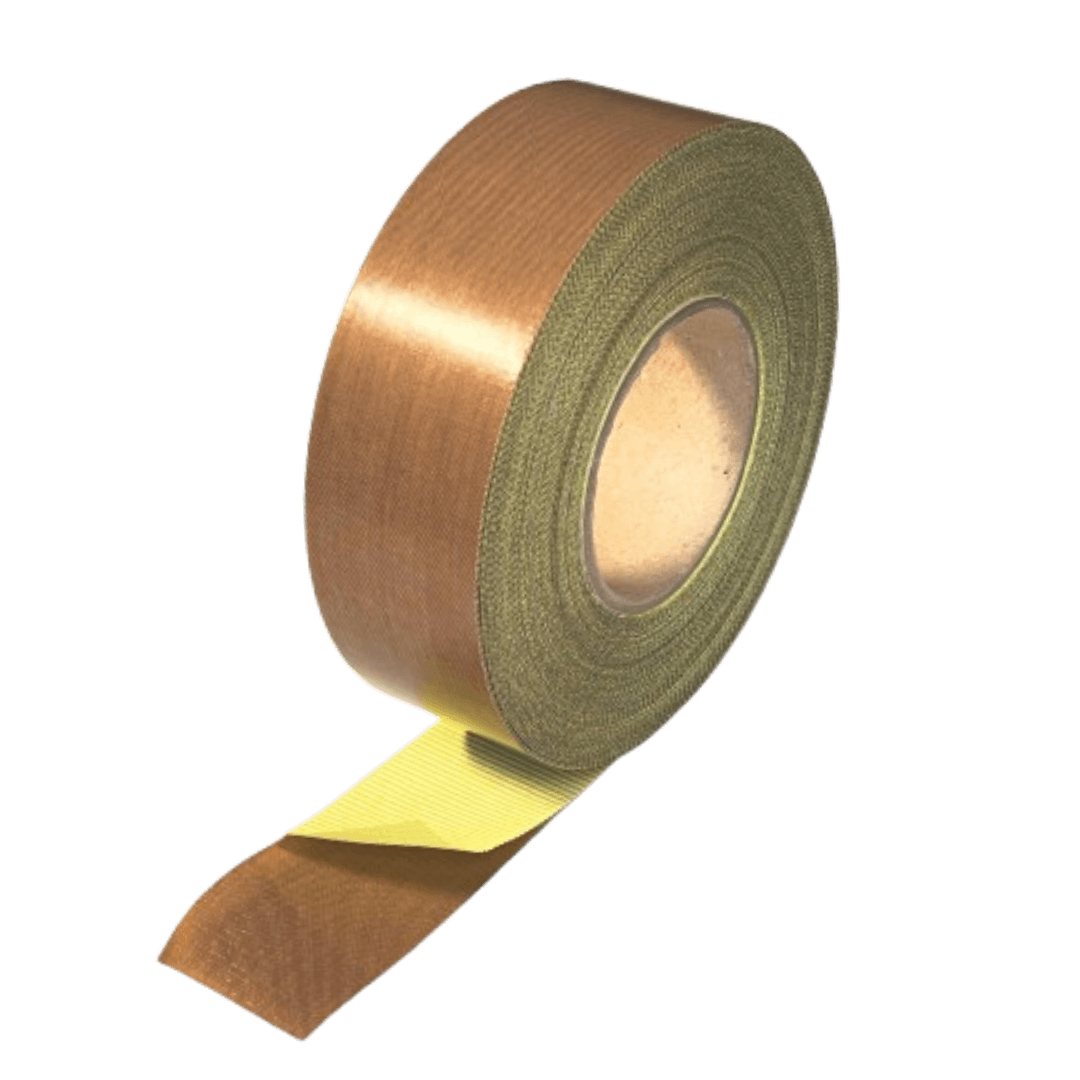
TCG003AD
TCG005AD
Why Choose Gortef?
Australian Owned
Supplying teflon tapes, sheets and belts to local Australian and New Zealand companies since 1989
Reliable Quality
Industry-leading PTFE tapes, sheets and belts manufactured to the highest standards, trusted by 600+ small to listed Australian companies
Fully Insured
Peace of mind with comprehensive public and product liability insurance coverage
Local Fast Delivery
Local support and FAST delivery to all Australian states