PTFE Tape Temperature Guide
Temperature ratings, operating limits, and heat resistance data for industrial PTFE (Teflon) tape
Last updated: March 2026
Industrial PTFE (Teflon) tape is rated for continuous use from -73°C to +260°C. Within this range, PTFE maintains its non-stick properties, mechanical strength, and chemical inertness. Above 260°C, PTFE begins to degrade — the coating softens, non-stick performance drops, and above 350°C toxic fumes can be released. For virtually all heat sealing, packaging, textile pressing, and food processing applications, operating temperatures fall well within the safe range.
This guide provides detailed temperature data for PTFE tape, explains what happens at different temperature thresholds, and compares PTFE to other high-temperature materials. GORTEF supplies PTFE tape across Australia and New Zealand — all our tapes are rated for the full -73°C to +260°C continuous service range.
What Temperature Can PTFE Tape Withstand?
PTFE tape performance changes at different temperature thresholds. The table below summarises what happens to PTFE at each critical temperature point:
| Temperature | What Happens | Safe to Operate? |
|---|---|---|
| -73°C | Lower limit of rated service. PTFE remains flexible (does not become brittle like most polymers). | Yes — full performance |
| 0°C to +200°C | Normal operating range for most applications. No degradation occurs. | Yes — full performance |
| +200°C to +260°C | Upper operating range. PTFE still performs well, but tape life shortens at sustained high temperatures. | Yes — rated for continuous use |
| +260°C to +300°C | Above rated continuous service. PTFE coating begins to soften, non-stick performance declines, tape life shortens significantly. | Short exposure only — not recommended for continuous use |
| +327°C | PTFE melting point (crystalline transition). Material becomes gel-like. Loses structural integrity. | No — material failure |
| +350°C to +400°C | Thermal decomposition begins. PTFE releases toxic fumes (polymer fume fever risk). Do not heat PTFE above 350°C. | No — health hazard |
Key takeaway: Keep PTFE tape below +260°C for continuous applications. Occasional brief exposure up to +300°C (e.g. during machine warm-up) is tolerable but will shorten tape life.
Operating Temperatures by Application
The following table shows typical operating temperatures for common PTFE tape applications. All fall within the safe continuous range of -73°C to +260°C:
| Application | Typical Temperature | Margin Below 260°C Limit |
|---|---|---|
| Impulse heat sealer | 150–220°C | 40–110°C margin |
| Flow wrapper (HFFS) | 160–230°C | 30–100°C margin |
| Heat press (sublimation) | 180–205°C | 55–80°C margin |
| Heat press (DTF/HTV) | 140–180°C | 80–120°C margin |
| Textile fusing press | 150–200°C | 60–110°C margin |
| Bakery oven conveyor | 180–250°C | 10–80°C margin |
| Laminator rollers | 100–160°C | 100–160°C margin |
| Soldering / welding protection | 200–260°C | 0–60°C margin |
Applications near the upper limit (bakery ovens, soldering protection) will experience shorter tape life than lower-temperature applications. For high-temperature applications above 230°C, use thicker tape (10 thou / TCG010AD) which withstands heat degradation longer. For more on thickness selection, see our guide on what is Teflon tape.
How Does PTFE Compare to Other High-Temperature Materials?
When selecting a high-temperature, non-stick tape or surface material, PTFE is not the only option. The table below compares PTFE to common alternatives:
| Material | Max Continuous Temp | Non-Stick | Food Safe | Best For |
|---|---|---|---|---|
| PTFE (Teflon) | +260°C | Excellent | Yes (FDA) | Heat sealing, packaging, food processing, general non-stick |
| Silicone rubber | +200–250°C | Good | Yes | Cushioning, flexible moulds, baking mats |
| Kapton (polyimide) | +400°C | Poor | No | Electrical insulation, soldering masks, 3D printing beds |
| Fibreglass tape (plain) | +550°C | Poor | No | High-temperature insulation, pipe wrapping |
| Aluminium foil tape | +300–500°C | Poor | Limited | Heat shielding, duct sealing, reflective barriers |
| PVC tape | +80°C | Poor | No | Electrical insulation (low temperature only) |
PTFE is the only material that combines high temperature resistance (+260°C), excellent non-stick properties, and food safety compliance. For applications above +260°C where non-stick properties are not needed, Kapton or plain fibreglass tape may be suitable. For electrical insulation at extreme temperatures, see our PTFE electrical insulation guide.
How Does Temperature Affect PTFE Tape Life?
Higher operating temperatures accelerate PTFE degradation and shorten tape life. Based on GORTEF’s supply data across hundreds of Australian operations, the relationship is approximately:
| Operating Temperature Range | Relative Tape Life | Example Applications |
|---|---|---|
| Below 150°C | Longest (3–12 months) | Laminator rollers, low-temp sealers, wear strips |
| 150–200°C | Long (2–8 weeks) | Most heat sealers, heat presses, textile fusing |
| 200–240°C | Moderate (1–4 weeks) | High-temp sealers, flow wrappers, bakery equipment |
| 240–260°C | Shorter (1–2 weeks) | Bakery ovens, high-temp soldering protection |
If you are experiencing shorter-than-expected tape life, check whether your sealing temperature is set higher than needed. Reducing temperature by even 10–20°C (while still achieving a good seal) can significantly extend tape life. For replacement guidance, see how often to change heat seal tape and our new guide on how to replace heat sealer tape.
Does the Adhesive Affect Temperature Performance?
Yes. The PTFE coating itself can withstand temperatures above +260°C, but the adhesive that bonds the tape to the machine surface is the limiting factor for the overall system:
- Silicone adhesive (used on all GORTEF tapes) — rated to +260°C continuous. This is the industry standard for heat sealer tape and matches the PTFE coating limit.
- Acrylic adhesive (found on some cheap imports) — fails above +150°C. The adhesive softens, loses grip, and the tape slides off the jaw during operation. Never use acrylic-adhesive tape on heat sealers.
- Rubber adhesive — fails above +80°C. Completely unsuitable for heat sealing applications.
Always confirm the adhesive type before purchasing PTFE tape. If a supplier does not specify silicone adhesive, the tape may use a cheaper adhesive that will fail at operating temperature.
Summary
PTFE tape is rated for continuous use from -73°C to +260°C, covering virtually all heat sealing, packaging, textile, and food processing applications. Above 260°C PTFE degrades; above 350°C it decomposes and releases toxic fumes. Tape life shortens at higher temperatures — operating at the lowest effective temperature extends service life. Always use silicone-adhesive PTFE tape (not acrylic) for heat sealing applications. GORTEF supplies PTFE tape rated for the full temperature range across Australia and New Zealand.
Sources
- PTFE thermal properties: DuPont Teflon PTFE Fluoropolymer Resin — Properties Handbook
- Temperature ratings: ASTM D4894/D4895 — Standard Specification for Polytetrafluoroethylene
- Thermal decomposition data: Waritz, R.S. (1975) “An Industrial Approach to Evaluation of Pyrolysis and Combustion Hazards” — Environmental Health Perspectives
Frequently Asked Questions
Yes. Industrial Teflon (PTFE) tape is heat resistant up to +260°C continuous. It maintains its non-stick properties, mechanical strength, and chemical inertness across the full operating range from -73°C to +260°C. This covers virtually all heat sealing, pressing, and food processing temperatures.
The maximum continuous operating temperature for PTFE tape is +260°C. Brief exposure up to +300°C is tolerable but shortens tape life. Above +327°C PTFE loses structural integrity (melting point). Above +350°C PTFE decomposes and releases toxic fumes. Never heat PTFE above 350°C.
Yes. PTFE tape is rated to -73°C and remains flexible at sub-zero temperatures — unlike most polymers which become brittle. This makes PTFE tape suitable for cold-storage applications, frozen food packaging equipment, and cryogenic environments.
Higher temperatures accelerate PTFE degradation. At 150–200°C tape may last 2–8 weeks, while at 240–260°C it may only last 1–2 weeks. If your tape life is shorter than expected, check whether you can reduce your sealing temperature — even a 10–20°C reduction can significantly extend tape service life.
Between 260–300°C the tape degrades faster but poses no immediate safety risk. Above 327°C the PTFE melts and loses function. Above 350°C PTFE releases toxic fumes that can cause polymer fume fever (flu-like symptoms). If PTFE is accidentally overheated above 350°C, ventilate the area immediately and move personnel away.
You May Also Be Interested In
- PTFE Heat Seal Tapes — Browse tapes rated to +260°C in 3, 5, and 10 thou
- What Is Teflon Tape? — Types, materials, and how to choose
- What Is PTFE? — Material science behind Teflon’s heat resistance
- PTFE Chemical Resistance Guide — Chemical compatibility at various temperatures
- How Often to Change Heat Seal Tape — Replacement schedules and maintenance
- PTFE Tape for Heat Presses — Temperature guidance for garment decoration
GORTEF PTFE Tapes — Rated to +260°C
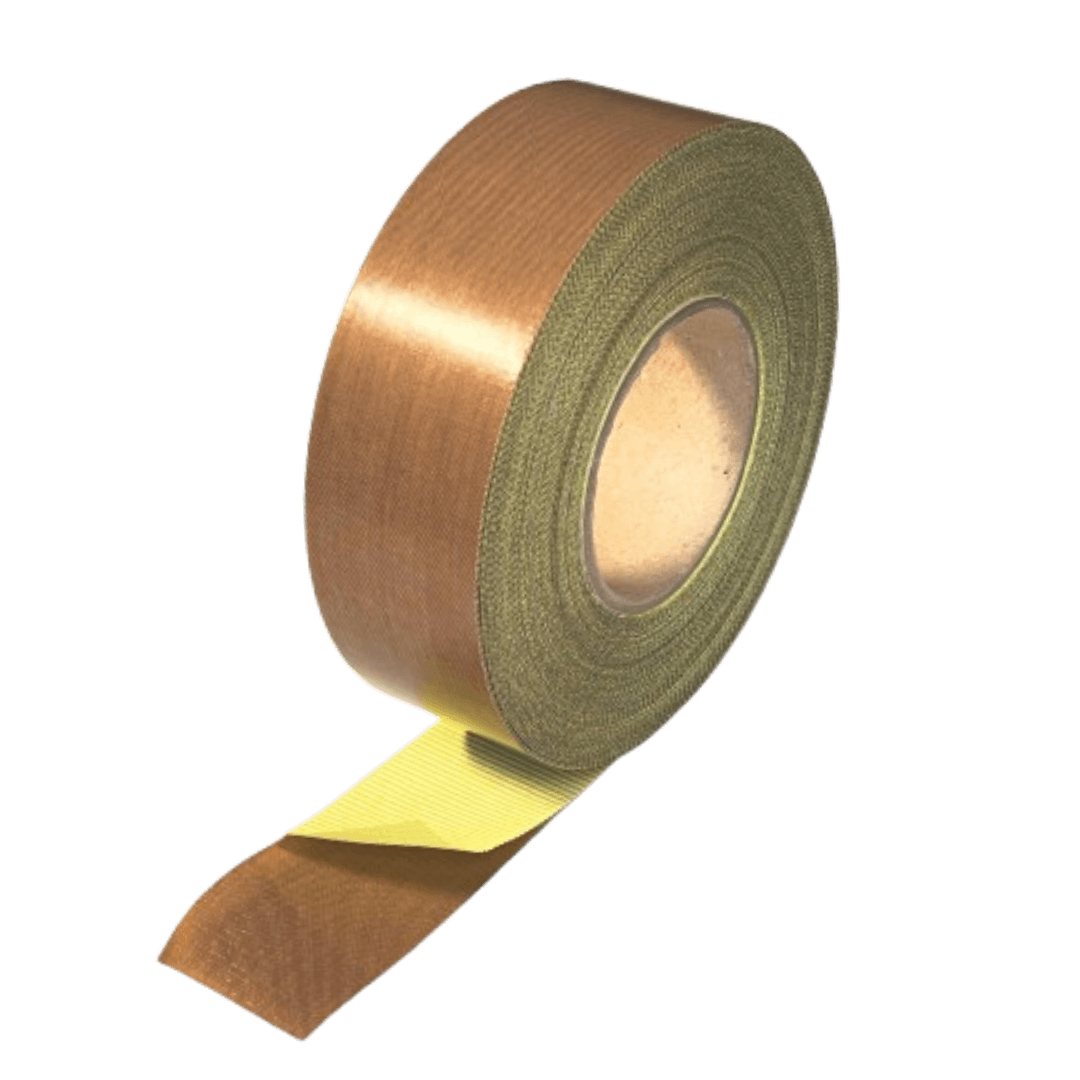
TCG003AD
TCG005AD
TCG010AD
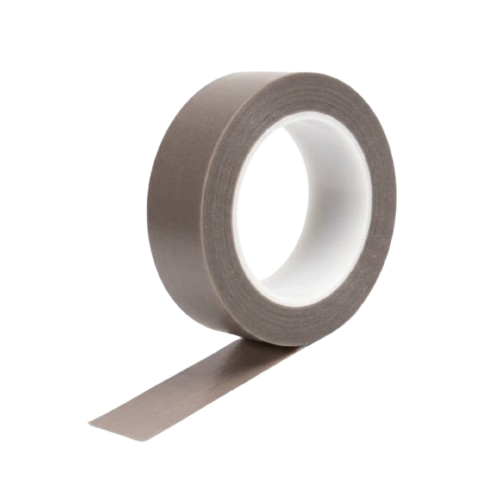
TFT002AD.IS
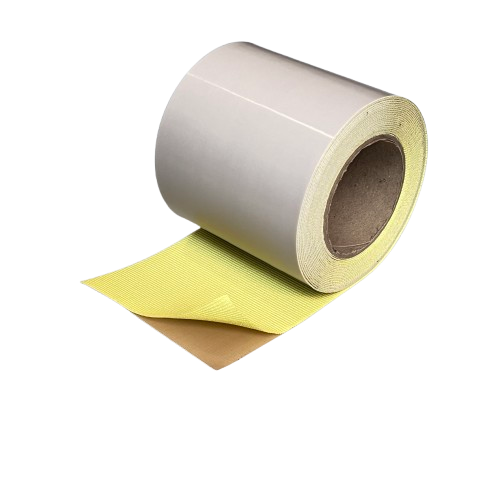
TFT020AD
Why Choose Gortef?
Australian Owned
Supplying teflon tapes, sheets and belts to local Australian and New Zealand companies since 1989
Reliable Quality
Industry-leading PTFE tapes, sheets and belts manufactured to the highest standards, trusted by 600+ small to listed Australian companies
Fully Insured
Peace of mind with comprehensive public and product liability insurance coverage
Local Fast Delivery
Local support and FAST delivery to all Australian states